





Food

Feed your cat two or three meals a day. Don't leave out a constant supply of food. Your cat may be tempted to eat too much, which can lead to obesity and other health problems.

Feed your cat a mix of wet food and dry food. This will ensure your cat will get all the proper nutrients. You can, however, feed your cat only one type of food if you choose. If you feed him dry food, make sure you give your cat plenty of water.

Keep out a constant supply of water. Your cat needs to stay well hydrated! Change daily and when your cat runs out. If it's hot out, put some ice in the water dish. Cats get hot too, especially longhair cats!
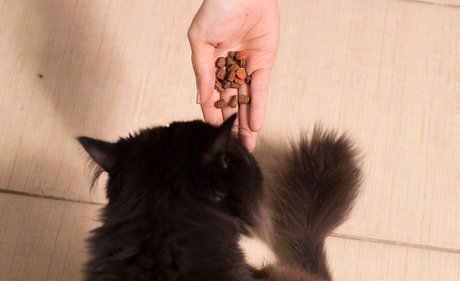
Give out treats in moderation! At most, your cat should receive two small handfuls of treats a day.
Health

Take your cat to the vet at least once a year for a checkup. That way, your cat will get any needed vaccines, as well as getting checked for any underlying conditions.
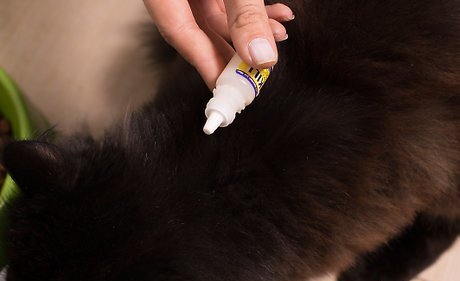
Give your cat a flea collar or flea treatment, especially if he goes outdoors.
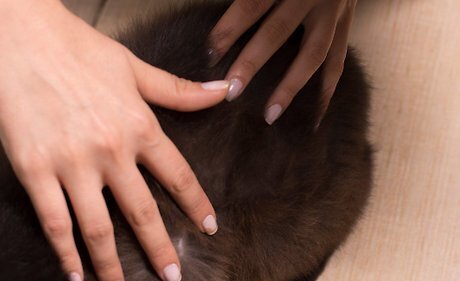
Give your cat at-home health checks. Make sure your cat's eyes are clear and bright, and don't have any goop coming out of them. Whenever your cat comes indoors, if he is outdoor, run your hands over his fur and check for ticks. If you feel a bump, check it out. If it is in fact a tick, remove it. Look at the ears. They should be pink with no goo and no odor. Watch your cat. Make sure he doesn't limp. If your cat does not pass your home health check, take him to the vet.
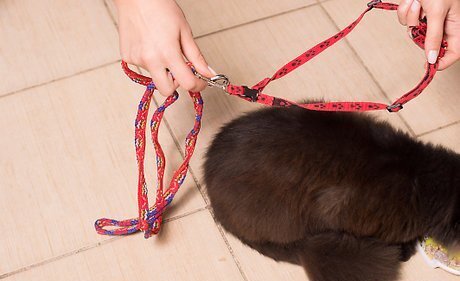
Help your cat exercise. If you can, take him on walks. Buy your cat a variety of toys, such as fishing rod toys, fake mice, and laser pointers. Play with your cat daily.
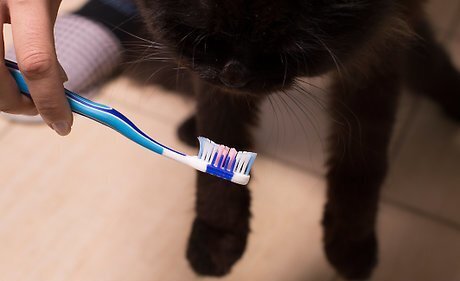
Try to brush your cat's teeth daily. If your cat's teeth weren't brushed as a kitten, your cat may hate it and scratch you. If your cat scratches you or bites you when you try to brush his teeth, give him a FEW tartar control treats a day.
Coat
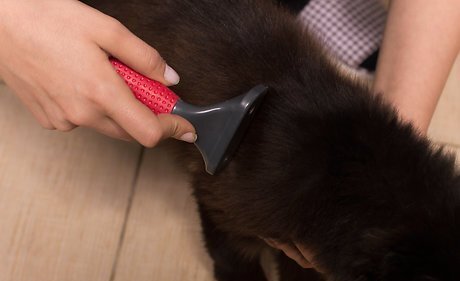
Brush your cat daily. Longhair cats have more fur, and it's longer, too, and therefore needs to brushed more often than regular cats.

Choose the right brush. Pin or wire brushes are a great choice for longhair cats, since they are stronger and can untangle knots easier.

Shampoo your cat once a month. If your cat likes baths, give him a bath. If he hates baths, sprinkle him with some dry shampoo.
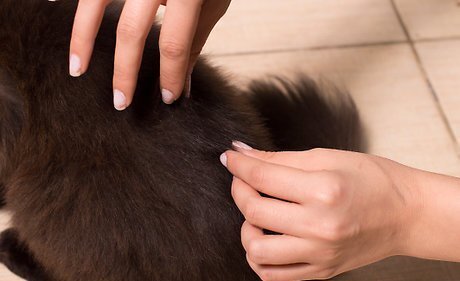
Untangle knots as soon as you see them. Because longhair cats' fur is more susceptible to tangling, knots will quickly become worse.

Trim your cat's nails. Nails that are too long will be more likely to get caught in things, as well as make it hard to walk if they get really long.

Take your cat to the groomer. Seem like too much work? Take your cat to a groomer! The groomer will know what she's doing, and you won't have to deal with a bath-hating cat or your cat running away when he sees the brush!










Comments
0 comment